
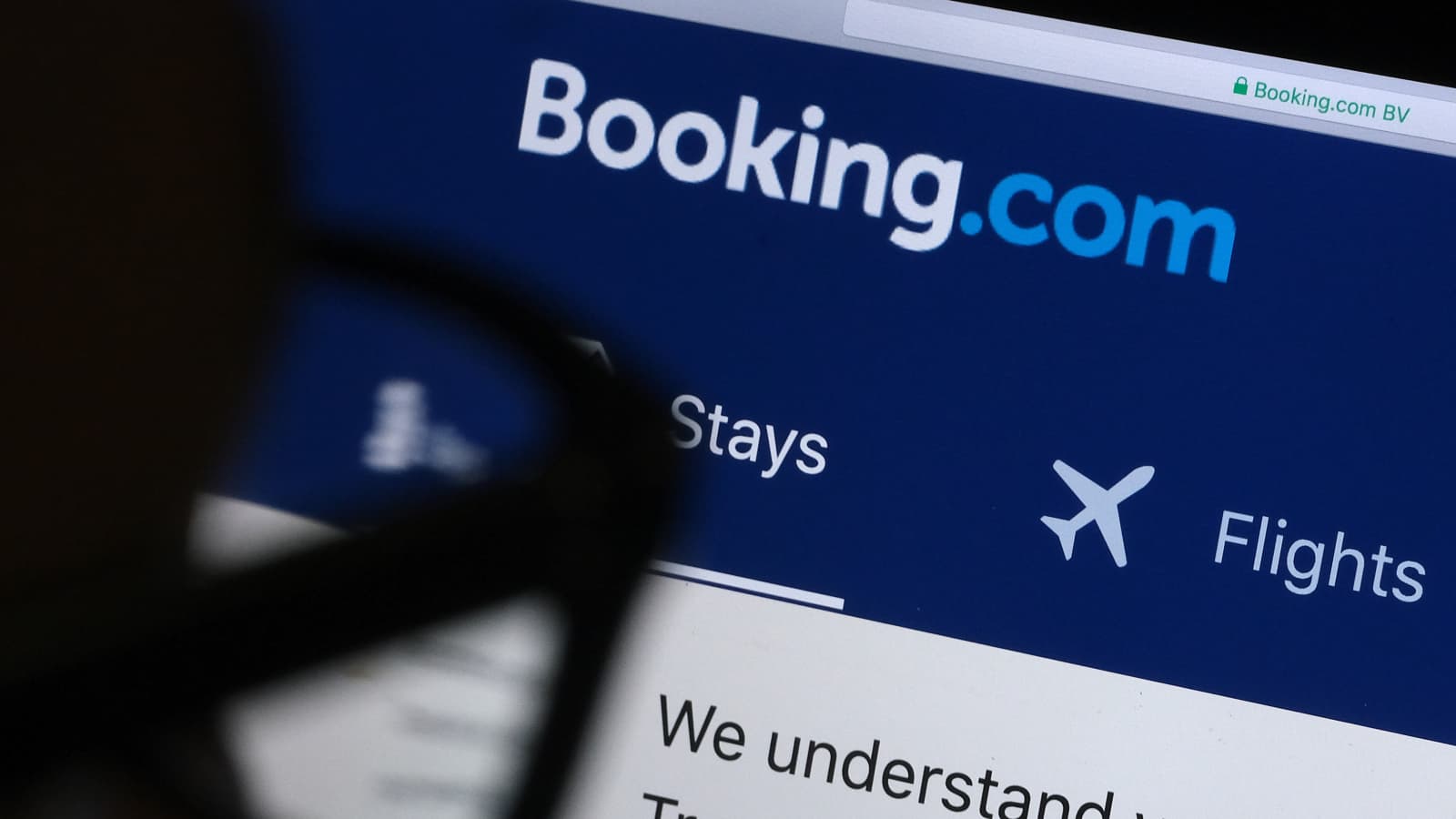
Ten thousand hotels have joined forces in what could be one of the biggest and most significant class action lawsuits against a comparison site.
The action is backed by the Association of Hotels, Restaurants and Cafes in Europe (HOTREC), who claim their members are taking action to combat “inflated commission rates, suppressed direct bookings and distorted online market competition.”
So, what has prompted the hospitality sector to take matters into their own hands?
The Case for the Prosecution
The website has, for years, enforced ‘best price’ clauses – pricing restrictions that caused controversy among hoteliers.
These clauses forced hotels to maintain an identical pricing policy across all channels, preventing them from offering cheaper rates, either on their own website or via other price comparison sites. This has led to accusations that Booking.com has been using its anti-competitive practice to artificially inflate hotel prices.
Booking.com, meanwhile, would be collecting substantial commissions for every reservation made through them. The Netherlands-based site say that the ‘best price’ clause was necessary as it eliminated the possibility of customers using Booking.com to source a hotel before booking directly with them, thereby making a saving by avoiding paying commission to the site.
There is reason for the hotels to be optimistic about their chances. the European Court of Justice has passed a ruling that clauses such as the Booking.com best-price practice are illegal, and are covered by a ban on cartels that renders them invalid. The judgment, in September 2024, determined that any online platform is able to operate effectively without imposing restrictions on their partners.
The landmark ruling declared that use of the clause violates EU competition law and, in doing so, provided the legal foundation that dozens of national hotel associations had been crying out for.
Booking.com abandoned the controversial clauses in the wake of the judgment but that isn’t the end of the story as hotels are looking to be compensated for what they say is “substantial financial harm” after suffering two decades of lost revenue.
A similar legal action was filed in June by Dutch consumer group Consumentenbond, representing Booking.com customers.
Last year, the courts in Spain imposed a fine of more than €400m on Booking.com in a similar case. Complaints were filed by the Spanish Association of Hotel Managers (and the Madrid Hotel Business Association in 2021, claiming that the website bans hotels from offering lower prices on their own sites, and that Booking.com was imposing price discounts on rooms without consulting the hotels.
The Case for the Defence
The site, not unexpectedly, has rejected the legal argument put forward, while insisting that, to date, they have yet to receive notification of an official lawsuit being filed.
They say that the ruling itself does not validate the hotels’ assertion that the price clauses were anti-competitive. A spokesman for the site, which dominates the market, insists that they aim to provide the best prices and transparency for users.
Dismissing the statement from HOTREC, a spokesman for the platform said: “The ECJ was not even asked to assess whether our clauses had anti-competitive effects or any impact on competition. The Court simply stated that such clauses fall within the scope of EU competition law and that their effects must be assessed on a case-by-case basis.”
The statement added: “Each of our accommodation partners is free to set their own distribution and pricing strategies and can offer their rooms wherever they choose.”
What happens next?
This is a huge deal for the landscape of the hospitality industry across Europe, given the strength of feeling and the scale of the lawsuit. The action makes the claim that, amid inflated prices for consumers, the site has unfairly exploited its market dominance, earning higher commissions while restricting hotels’ independent competition.
With authoritative precedents already in place the case could lead to significant financial damage – the total in payouts could run to nine figures – on top of a severe risk to its reputation.
Should the lawsuit be successful, similar legal challenges could follow. Other price comparison sites and apps could find themselves facing action against their businesses if they are thought to be imposing similar restrictions.
The conclusion of the dispute, which will be heard in Amsterdam, will be crucial in balancing innovation on behalf of travellers and the concept of equality and fairness in competition across the continent.